























Handling a traffic stop when
you have firearms on board
By Sean Maloney. March 4, 2026
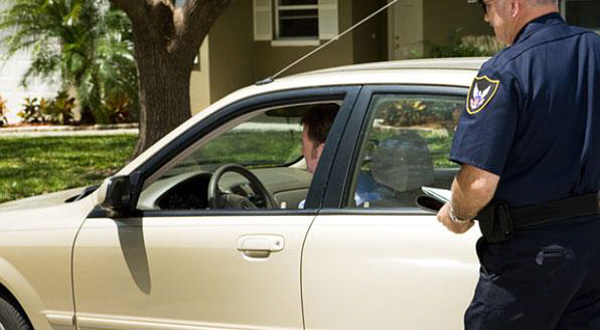
No one likes to see flashing blue lights in the rearview mirror. Whether it's a warning, a ticket, or just bad luck, a traffic stop can make anyone's heart race.
For law-abiding citizens, especially those who carry firearms, it's one of the most tense and unpredictable moments you can experience. I know I have been there many times. I have been giving this same advice out for years, with or without a firearm present; it's only common sense.
Preparation, visibility, and communication are the difference between a routine stop that resolves quickly and safely and one that risks misunderstanding or legal complications. Those few moments, staying visible, keeping hands in plain sight, and calmly stating your intentions can make the difference between being remembered as the respectful driver who followed procedure or creating confusion and anxiety that nobody wants. When these principles are put into practice, most stops end with everyone going home safely and the situation never escalating beyond a brief inconvenience.
Additionally, the way you interact with and the respect and cooperation you show a police officer during a traffic stop can directly impact any plea negotiations or dismissals your attorney later seeks. In my experience, prosecutors almost always ask the arresting officer for their opinion before considering a reduction or dismissal of charges.
If your roadside behavior was hostile or uncooperative, that negative impression will follow you into the courtroom and it can make your attorney's job much more difficult.
…